When it comes to insuring your home, one critical figure often gets brushed aside: the rebuild cost. Unlike market value, rebuild cost assessments represents the amount needed to reconstruct your property from scratch after a total loss. Underestimating this can leave you exposed to underinsurance, which, in plain terms, could spell financial disaster.
What Exactly Is a Rebuild Cost Assessment?
A Rebuild Cost Assessment (RCA) calculates the total cost to rebuild your property. This includes materials, labour, demolition, professional fees, and compliance with current building regulations.
It’s easy to confuse this figure with market value, but they are different beasts. Rebuild cost ignores land value and market inflation. Instead, it zooms in on what it would realistically cost to replicate your building, brick for brick, in today’s construction economy.
Why Bother With a Rebuild Cost Assessment?
Simple answer? Peace of mind. A spot-on rebuild cost assessment ensures you have the right insurance coverage. If your rebuild figure is way off, you might end up footing the bill for repairs your insurer won’t fully cover. Ouch.
On the flip side, if you overestimate, you might be chucking money down the drain in overpriced premiums. So it’s all about balance. Not too high. Not too low. Just right.
How Do You Calculate the Rebuild Cost?
There are a few ways to go about this:
1. Online Rebuild Cost Calculators
You can find handy tools like the BCIS Public Rebuild Calculator to get a ballpark figure. They’re based on average costs per square metre and adjust for location and property type.
That said, if your property has quirks (hello, thatch roof or Grade II listing), these tools might not cut it.
2. Hire a Chartered Surveyor
For a comprehensive, tailored assessment, a RICS-accredited surveyor is the way to go. They consider every nuance – from that marble countertop to tricky access routes – and factor in current building regs.
Think of it as the difference between Googling your symptoms and seeing a specialist. One might reassure you. The other gives you a solid plan.
People Also Ask
How often should you update a Rebuild Cost Assessment?
Great question! The Royal Institution of Chartered Surveyors (RICS) suggests reviewing your RCA at least every three years. However, if you’ve done major renovations, don’t wait – update immediately.
Is rebuild cost higher than market value?
Usually, it’s lower. But if your property is unusual, listed, or built with non-standard materials, the rebuild cost can exceed market value.
Can I rely on my mortgage lender’s valuation?
Nope. That valuation focuses on market value, not rebuild cost. It’s not designed to protect you from underinsurance.
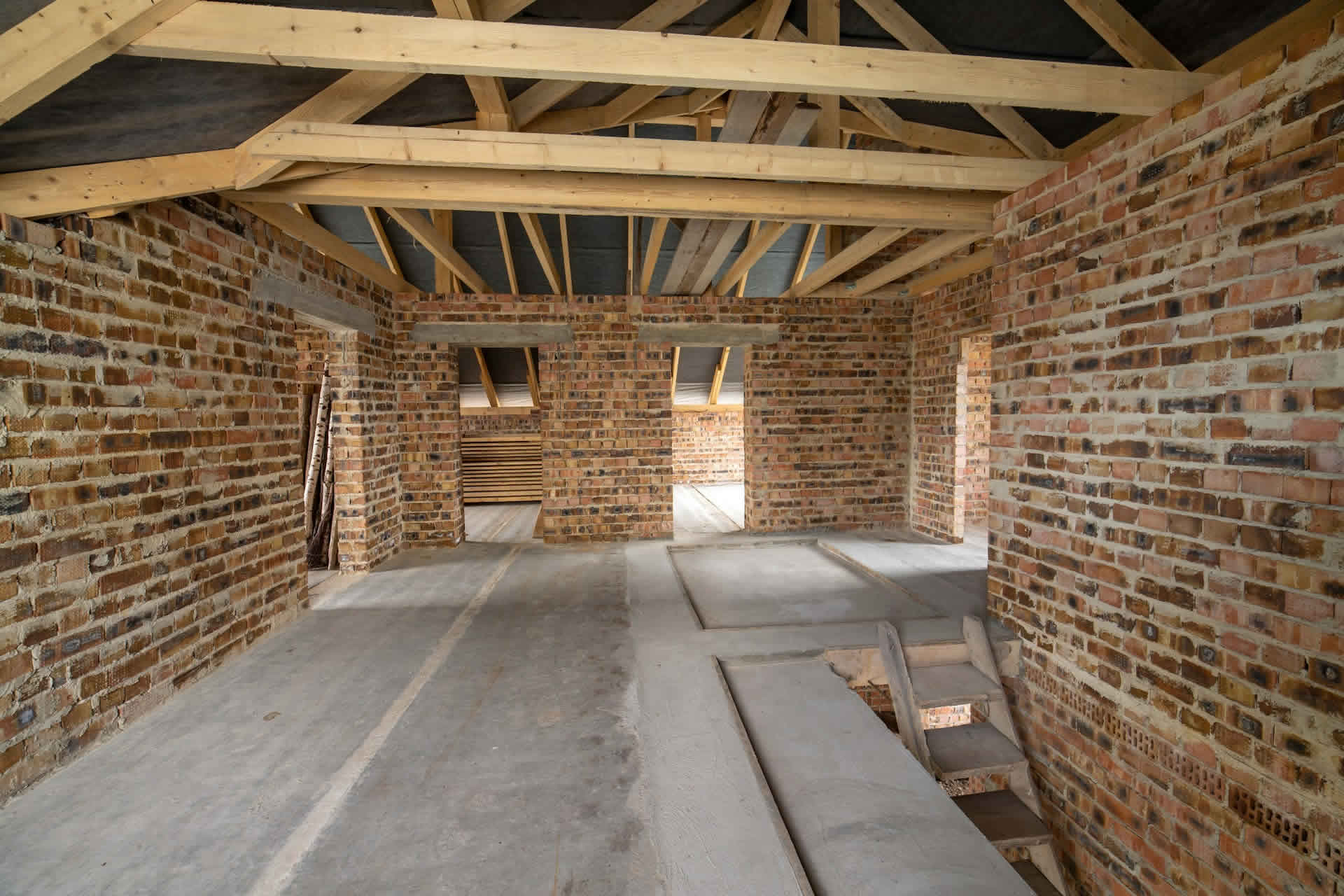
Reinstatement Cost Assessments vs Rebuild Cost Assessments
Same concept, slightly different lingo. “Reinstatement Cost Assessments” is often used in commercial settings or insurance documents. “Building Reinstatement Cost Assessment” is another variant.
Regardless of terminology, the aim remains: calculate the accurate cost to restore your property to its former state.
What Affects the Cost to Rebuild Property?
Several moving parts influence this number:
- Property size & layout – Bigger spaces mean more materials and labour.
- Construction type – Timber frame? Brick and block? Each has its own price tag.
- Materials used – High-end finishes = higher costs.
- Location – Labour and material costs can vary wildly across the UK.
- Access issues – Remote or hard-to-reach properties bump up logistics costs.
- Listed status – More paperwork, more rules, more money.
Renovations? Time to Recalculate.
Added a conservatory? Knocked through a wall? Even just swapping in high-end fittings? Each change could alter your rebuild cost.
It’s easy to forget that your shiny new kitchen isn’t just a lifestyle upgrade. It also adds to what it’d cost to rebuild your home if the worst were to happen.
The Danger of Underinsurance (And It’s a Big One)
If you insure your home for £200,000 but the actual rebuild cost is £300,000, you’re underinsured by a third. Now imagine a fire guts your property. The insurer may only cover two-thirds of the damage – not the full cost.
This practice, known as the average clause, is still used by many insurers. It’s their way of saying, “you didn’t pay enough, so we won’t either.”
Top Tip: Keep Records
Hold on to receipts for renovations, building work, and significant purchases like kitchen appliances or built-in furniture. These details help when it’s time to reassess your rebuild cost.
And hey, while you’re at it, snap photos too. They can come in handy in the claims process.
Commercial Properties Need This Too
Businesses aren’t off the hook. In fact, if you own a commercial building, the stakes might be even higher. A correct Reinstatement Cost Assessment can make the difference between bouncing back after disaster – or going bust.
Whether it’s an office, warehouse, or retail unit, getting the rebuild figure right is non-negotiable.
A Word on Listed and Heritage Buildings
Own a Grade I or II listed building? Rebuilding it isn’t just expensive; it’s a regulatory minefield. Your insurer needs to know exactly what they’re covering.
And you? You need an RCA done by someone experienced in heritage properties. This isn’t a job for guesswork.
Conclusion: Stay Covered, Stay Smart
Getting your rebuild cost wrong isn’t just a mistake – it can be a costly one. Whether you’re a homeowner, landlord, or commercial property owner, a regular, professional Rebuild Cost Assessment is your best defence against nasty surprises.
And let’s be honest, we’ve got enough of those already.
For more information regarding rebuild cost assessments visit Exactum.co.uk
More Insurance Tips and Advice
If you’re exploring more resources on insurance, valuation or homeownership essentials, the team at Faber Finds has a growing library of helpful reads. Dive in when you’re ready.