
Category: Insurance

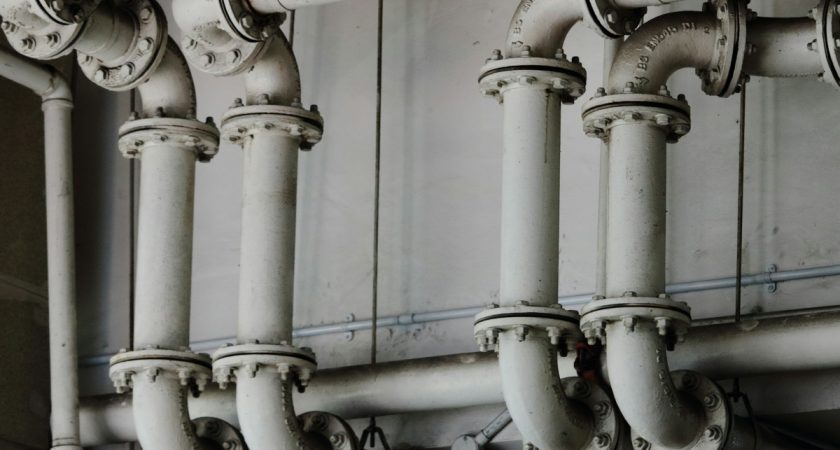
An image of a boiler pipe where a leak can occur.
Boiler Leaking Water From Pipe: What UK Homeowners Should Do

What To Do Immediately When Your Boiler Starts Leaking From a Pipe

You’ve spotted it. A slow drip under the boiler. Or worse – a steady trickle running along the pipe and pooling on the kitchen floor. When a boiler is leaking water from a pipe, you don’t have the luxury of “keeping an eye on it.” You need to act. Quickly, but calmly.

Here’s the straight answer: turn the boiler off, contain the water, and check your insurance policy before arranging major repairs. Most UK home insurance policies can help with the resulting damage – but not always the repair itself. That distinction matters.

Let’s walk through it properly.

Why Is My Boiler Leaking Water From a Pipe?

In the UK, most homes rely on gas central heating systems. Over time, parts wear down. Pipes corrode. Seals loosen. Pressure fluctuates. Many people experience a boiler leaking water from a pipe at some point in their life.

Common causes include:

  • Corroded or ageing pipework
  • Loose joints or fittings
  • Faulty pressure valves
  • A cracked heat exchanger
  • Excess boiler pressure
  • Poor installation or previous patch repairs

Combi boilers – like those from Worcester Bosch or Vaillant – are reliable, but no system is immune to wear and tear.

And here’s something many homeowners don’t realise: sometimes the leak isn’t coming from the boiler unit itself, but from connected pipework or valves nearby. It looks like a boiler problem. It might be. But not always.

That’s why diagnosis matters.

What To Do Immediately If Your Boiler Is Leaking

Don’t overthink it. Just follow this order.

1. Turn the Boiler Off

Switch it off at the control panel. If water is actively spraying or leaking heavily, isolate the power at the mains switch for the boiler.

Safety first.

2. Turn Off the Water Supply (If Needed)

If the leak is significant and doesn’t stop when the boiler is off, turn off the water supply feeding the system. For many homes, that’s the internal stopcock.

3. Contain the Leak

Use towels. Buckets. Whatever works. The goal isn’t perfection – it’s limiting damage to flooring, cabinets, or ceilings below.

4. Check the Pressure Gauge

If your boiler pressure is above 2.5 or 3 bar, high pressure may be forcing water out.… Read More

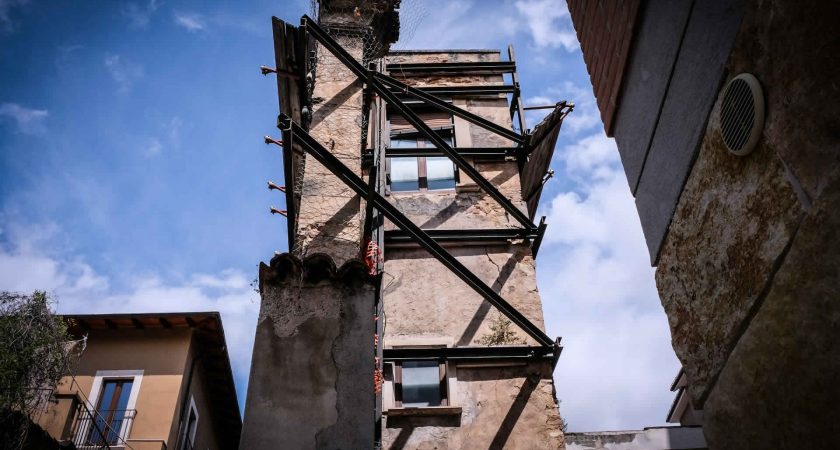
Getting help with business insurance claims can be beneficial to your company.
Business Insurance Claims: A Straight-Talking Guide for UK Business Owners

A Straight-Talking Guide for UK Business Owners

When disaster strikes – a fire, flood, or even a customer injury that lands on your desk – you quickly realise that dealing with business insurance claims isn’t as straightforward as it should be. Suddenly, there’s paperwork, adjusters, deadlines, and the uneasy sense that one small mistake might delay your payout.

For many business owners, it’s a crash course in insurance jargon and patience. And let’s be honest – no one starts a company dreaming of navigating claim forms and policy exclusions. This guide is here to demystify that process. It’s practical, down-to-earth, and built to help you get back on your feet faster – with less stress and more confidence.

What Is a Business Insurance Claim, Really?

At its core, business insurance claims are simply you asking your insurer to do what you’ve been paying them for – to cover a loss, damage, or liability that’s hit your business.

Maybe a storm tears through your warehouse roof. Or a customer trips in your shop and files a claim. Perhaps your laptop gets stolen along with half your client data (hello, cyber nightmares). You report the incident, your insurer investigates, and if everything checks out, you receive compensation. That’s the tidy version – in reality, it can be a bit more tangled.

Why Business Claims Management Matters More Than You Think

Here’s the truth: filing business insurance claims is one thing, managing it properly is another. Business claims management is about strategy – staying organised, keeping communication tight, and pushing things along when the process drags (because it often does).

Handled well, it keeps costs down, speeds up payouts, and protects your reputation with clients and insurers alike. Handled poorly, it can drain time, money, and sanity.

Think of it as running a small project. You collect evidence, manage timelines, negotiate outcomes, and – crucially – learn from the experience so it’s smoother next time.

The Many Faces of a Business Insurance Claim

Let’s talk about the different kinds of claims you might face. Every business has its own risk flavour – what hits a construction firm won’t be the same as what rattles a design studio.… Read More

Learn how to avoid underinsurance and ensure full coverage.
Rebuild Cost Assessments: Why They Matter More Than You Think

When it comes to insuring your home, one critical figure often gets brushed aside: the rebuild cost. Unlike market value, rebuild cost assessments represents the amount needed to reconstruct your property from scratch after a total loss. Underestimating this can leave you exposed to underinsurance, which, in plain terms, could spell financial disaster.

What Exactly Is a Rebuild Cost Assessment?

A Rebuild Cost Assessment (RCA) calculates the total cost to rebuild your property. This includes materials, labour, demolition, professional fees, and compliance with current building regulations.

It’s easy to confuse this figure with market value, but they are different beasts. Rebuild cost ignores land value and market inflation. Instead, it zooms in on what it would realistically cost to replicate your building, brick for brick, in today’s construction economy.

Why Bother With a Rebuild Cost Assessment?

Simple answer? Peace of mind. A spot-on rebuild cost assessment ensures you have the right insurance coverage. If your rebuild figure is way off, you might end up footing the bill for repairs your insurer won’t fully cover. Ouch.

On the flip side, if you overestimate, you might be chucking money down the drain in overpriced premiums. So it’s all about balance. Not too high. Not too low. Just right.

How Do You Calculate the Rebuild Cost?

There are a few ways to go about this:

1. Online Rebuild Cost Calculators

You can find handy tools like the BCIS Public Rebuild Calculator to get a ballpark figure. They’re based on average costs per square metre and adjust for location and property type.

That said, if your property has quirks (hello, thatch roof or Grade II listing), these tools might not cut it.

2. Hire a Chartered Surveyor

For a comprehensive, tailored assessment, a RICS-accredited surveyor is the way to go. They consider every nuance – from that marble countertop to tricky access routes – and factor in current building regs.

Think of it as the difference between Googling your symptoms and seeing a specialist. One might reassure you. The other gives you a solid plan.

People Also Ask

How often should you update a Rebuild Cost Assessment?Read More

Looking for expert claims management services in the UK? Learn how Independent Loss Adjusters provide tailored support for property, business, and complex insurance claims.
Claims Management Services: Why Independent Support Makes All the Difference

When disaster strikes – be it fire, flood, theft, or structural damage – navigating the insurance claims process can feel like facing a storm without a compass. That’s where claims management services come in: offering expert help, reducing stress, and protecting your financial recovery.

Among the top choices in the UK, Independent Loss Adjusters have built a strong reputation for helping homeowners and business owners secure fair, fast, and full claim settlements. Here’s why their services are so highly recommended.

What Are Claims Management Services?

Claims management services refer to professional assistance provided to individuals and organisations navigating insurance claims. These services typically include:

  • Reviewing your insurance policy and entitlements
  • Conducting on-site inspections and loss assessments
  • Preparing accurate claim documentation
  • Liaising with insurers on your behalf
  • Negotiating settlements and ensuring timely payment

Rather than going it alone – and risking mistakes or underpayment – many policyholders now choose to work with independent claims specialists to represent their interests.

The Advantage of Independent Expertise

Unlike insurance company-appointed adjusters, who ultimately work for the insurer, independent loss adjusters represent the policyholder. This shift in perspective is essential. It means:

  • No conflicts of interest – The focus is on your outcome, not the insurer’s savings
  • Thorough assessments – Every aspect of the loss is documented and justified
  • Expert negotiation – Skilled claims handlers push for a full and fair settlement

Independent Loss Adjusters stand out for their proactive, personalised service, offering clarity at a time when most clients feel overwhelmed.

The advantages of independent expertise include no conflicts of interest, thorough assessements and expert negotiation.

Common Claims Handled by Claims Management Services

The scope of claims support offered is broad, and Independent Loss Adjusters handle a wide variety of cases:

Fire & Smoke Damage

From minor smoke contamination to total loss, an expert ensures all structural and content losses are valued correctly – and not underestimated by insurers.

Flood & Escape of Water

Water can be deceptively destructive. With specialist input, clients avoid under-settled claims and ensure full drying, repair, and redecoration costs are covered.

Commercial Insurance Claims

Business owners rely on fast recovery to stay afloat. Loss Adjusters assist with not only physical damage claims but also business interruption and loss of revenue.… Read More